Maharashtra’s DELTA Act Explained: Building a Legal Framework for Tokenised Land

Mantasha Tarannum
Tokenization
8
min read

For decades, land transactions have depended on physical documents, registration offices, title records, surveys and multiple layers of verification. While India has made significant progress in digitizing land records, the next question is more ambitious:
Can ownership and economic interests in real estate also be represented digitally in a legally recognised and regulated manner?
Maharashtra is now exploring that possibility through the proposed Maharashtra Digitization and Exchange of Land Token Asset Act or DELTA Act.
But there is an important distinction. DELTA is currently a proposed legal framework, not an enacted law. In July 2026, Maharashtra Chief Minister Devendra Fadnavis reviewed work on the draft legislation and directed officials to develop the framework further. The proposal is intended to create a legal structure for blockchain-based tokenization of land and other immovable properties.
What is the DELTA Act?
DELTA stands for Maharashtra Digitization and Exchange of Land Token Asset.
The proposed legislation is intended to establish a framework through which certain interests or value associated with immovable property can be represented through digital tokens and potentially exchanged through a regulated system.
In simple terms:
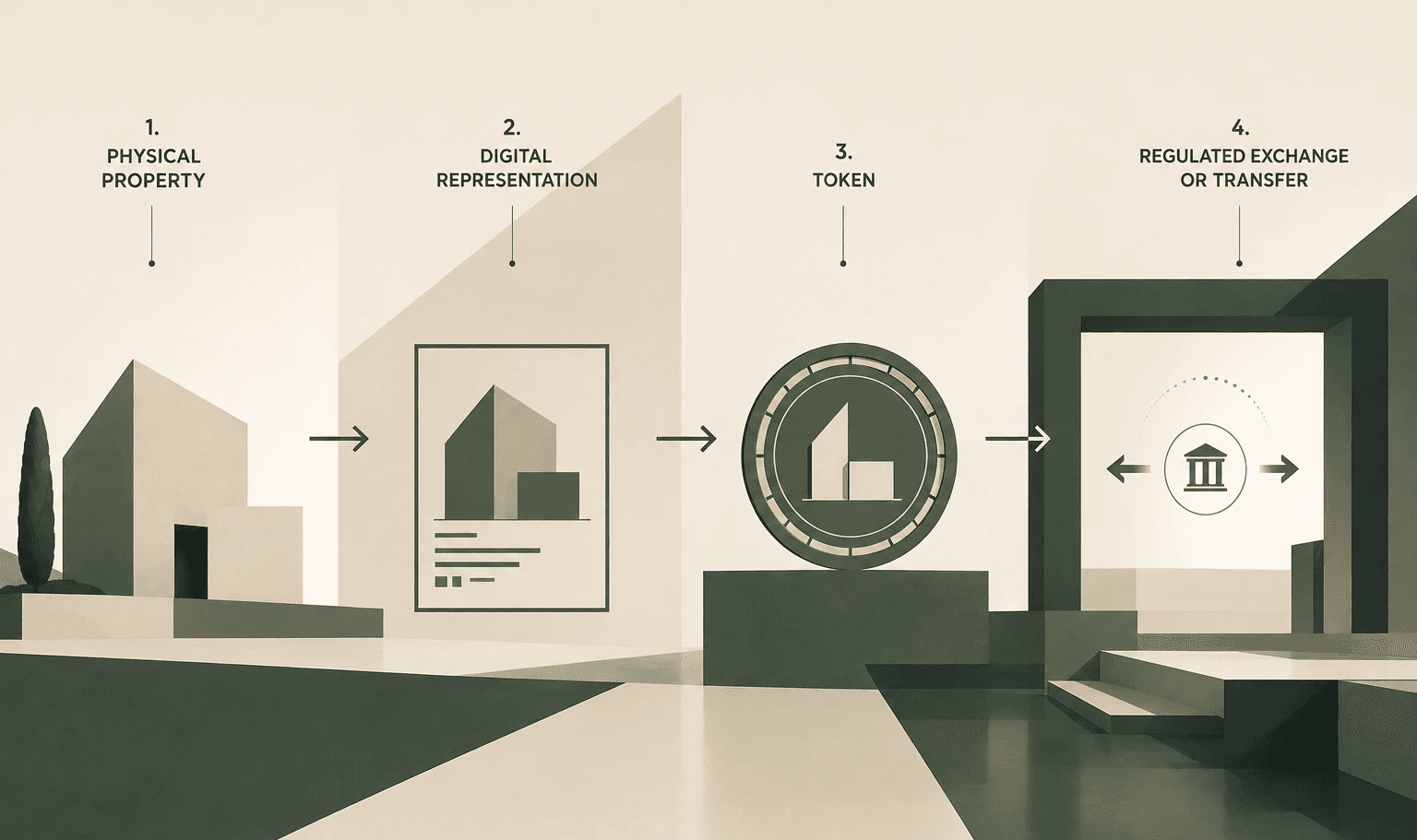
This does not mean that a building suddenly becomes a cryptocurrency.
Instead, the underlying idea is to create a digital representation of an asset or property interest, with the legal framework determining what that token represents, who can issue it, who can hold it and how it can be transferred.
The government has linked the proposal to the broader objective of unlocking the latent value of immovable assets, improving transaction efficiency and creating new economic opportunities.
Why does Maharashtra need such a framework?
Real estate is one of India's largest stores of wealth, but it is also relatively difficult to transact.
Buying or selling property can involve:
Title verification
Land records
Registration
Stamp duty
Mutation
Physical documentation
Legal due diligence
Multiple government authorities
Financing and mortgage processes
This creates friction.
A property worth crores of rupees cannot necessarily be converted into smaller, easily transferable digital interests in the same way that shares of a listed company can be bought and sold.
Tokenization attempts to address part of this problem by creating a digital representation of an underlying real-world asset.
Maharashtra's proposal therefore sits at the intersection of real estate, blockchain technology, digital governance and financial infrastructure.
The state has also connected the initiative with its broader ambition of becoming a US$1 trillion economy by 2030, with the government viewing previously underutilized value in immovable assets as a potential source of economic activity and revenue.
What exactly is real estate tokenization?
Before understanding DELTA, it is important to understand tokenization.
Tokenization is the process of creating a digital token that represents an underlying real-world asset or an interest in that asset.
For example, imagine a property valued at ₹10 crore.
Instead of treating the entire property as one indivisible economic unit, a tokenization structure could theoretically represent defined interests in the property through digital tokens.
A simplified example could look like this:
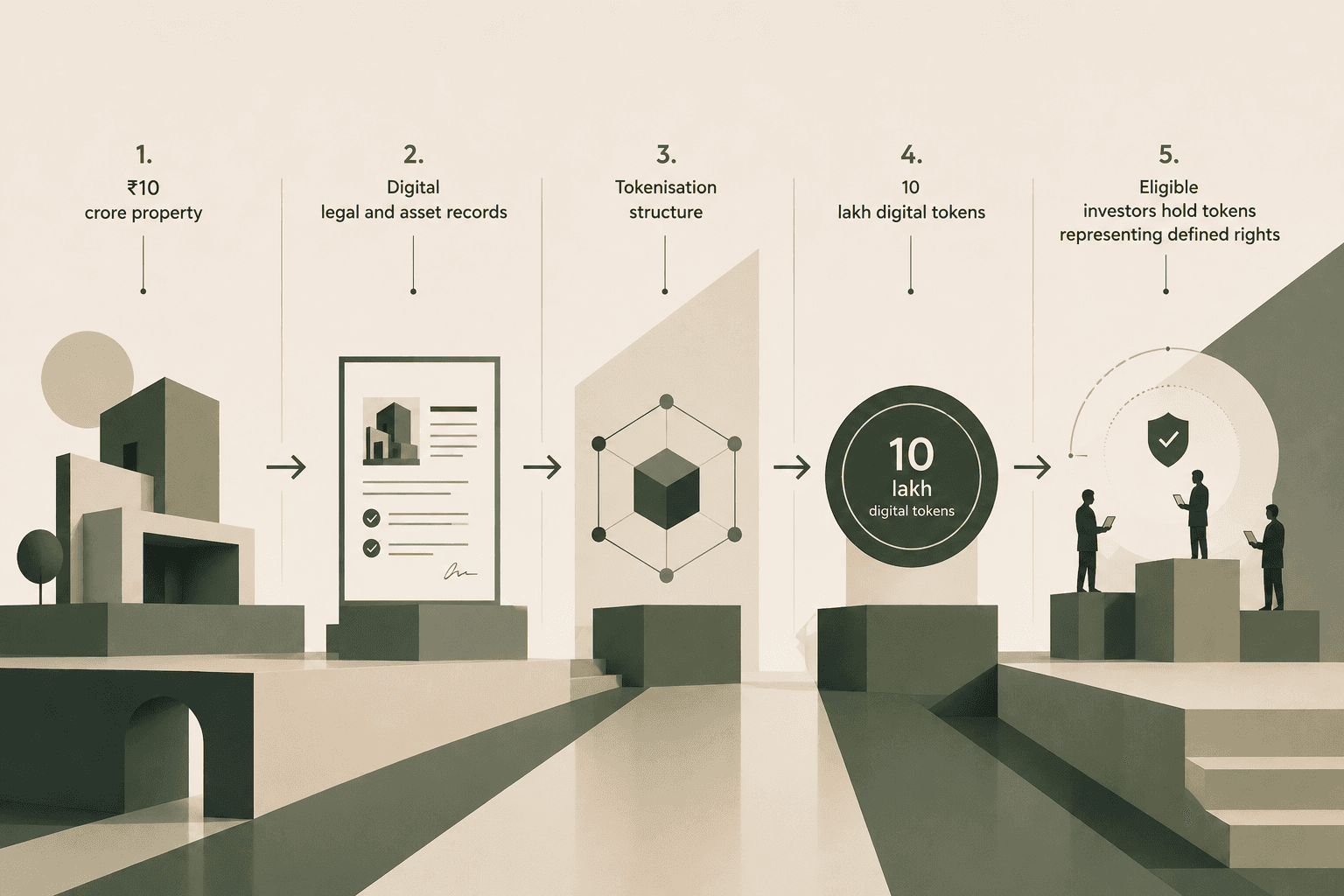
However, the blockchain itself does not create ownership.
This distinction is critical.
A blockchain can record that a particular wallet owns a particular token. But the legal system must determine what that token legally represents.
That is where legislation such as the proposed DELTA framework becomes important.
Blockchain is the technology. Law determines the rights.
One of the biggest misunderstandings around asset tokenization is the assumption that putting an asset on blockchain automatically makes the token legally equivalent to ownership.
It does not.
Consider two layers:
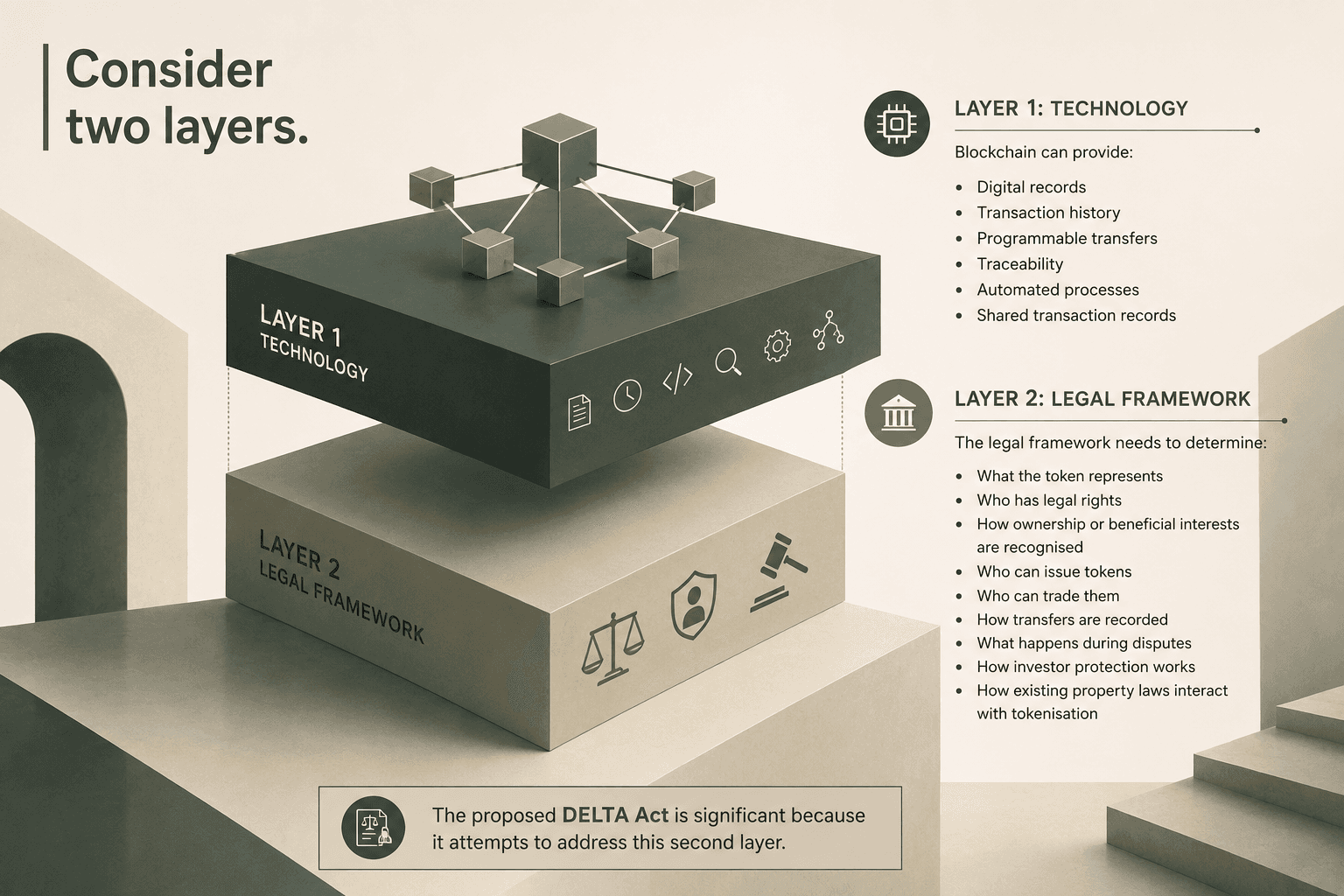
Layer 1: Technology
Blockchain can provide:
Digital records
Transaction history
Programmable transfers
Traceability
Automated processes
Shared transaction records
Layer 2: Legal framework
The legal framework needs to determine:
What the token represents
Who has legal rights
How ownership or beneficial interests are recognized
Who can issue tokens
Who can trade them
How transfers are recorded
What happens during disputes
How investor protection works
How existing property laws interact with tokenization
The proposed DELTA Act is significant because it attempts to address this second layer.
How could a DELTA-based system work?
The exact mechanism will depend on the final legislation and regulations. However, conceptually, a regulated tokenization ecosystem could involve several stages.
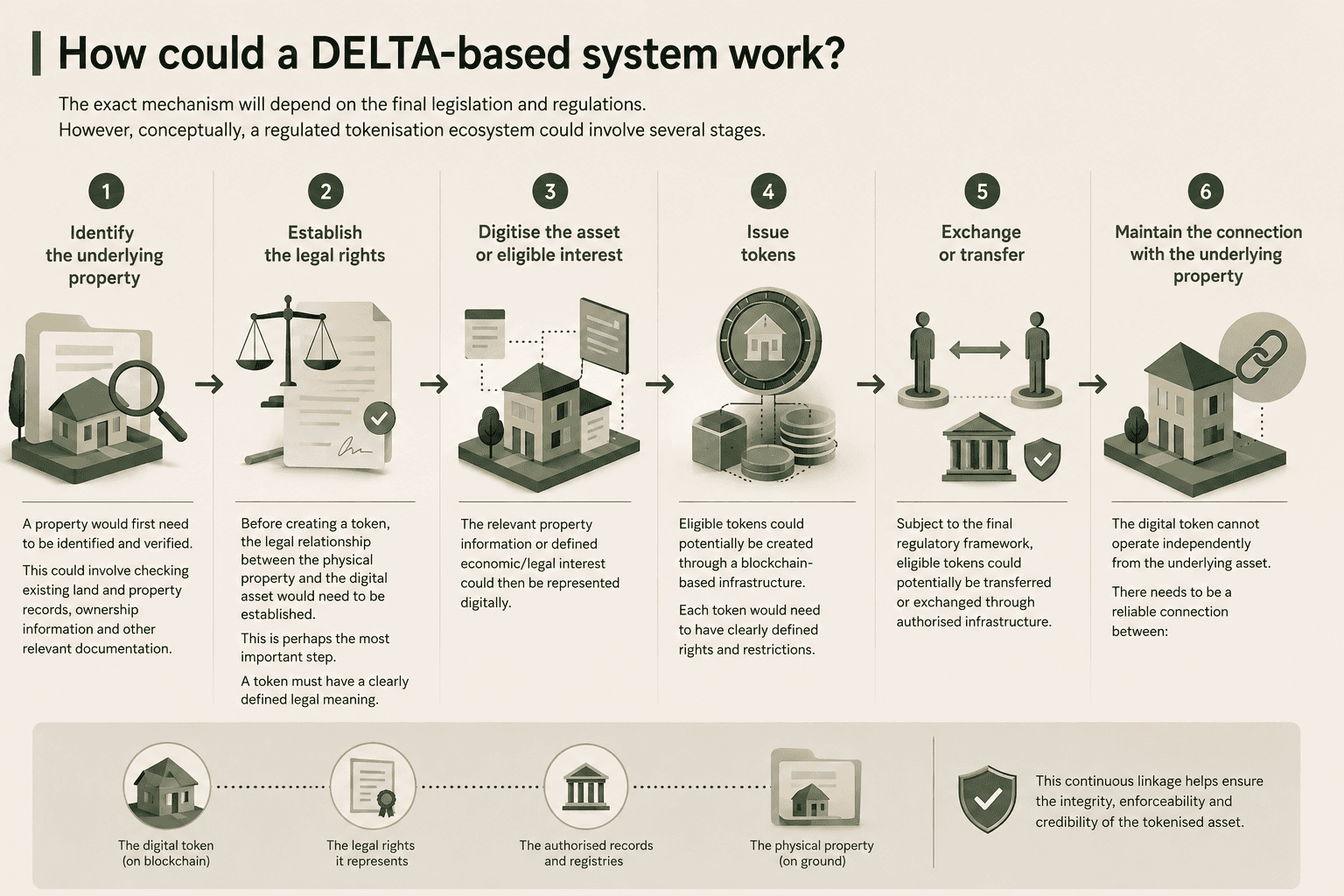
Step 1: Identify the underlying property
A property would first need to be identified and verified.
This could involve checking existing land and property records, ownership information and other relevant documentation.
Step 2: Establish the legal rights
Before creating a token, the legal relationship between the physical property and the digital asset would need to be established.
This is perhaps the most important step.
A token must have a clearly defined legal meaning.
Step 3: Digitize the asset or eligible interest
The relevant property information or defined economic/legal interest could then be represented digitally.
Step 4: Issue tokens
Eligible tokens could potentially be created through a blockchain-based infrastructure.
Each token would need to have clearly defined rights and restrictions.
Step 5: Exchange or transfer
Subject to the final regulatory framework, eligible tokens could potentially be transferred or exchanged through authorized infrastructure.
Step 6: Maintain the connection with the underlying property
The digital token cannot operate independently from the underlying asset.
There needs to be a reliable connection between:
Token → Legal right → Underlying property
That connection is what gives real-world asset tokenization its value.
What could DELTA change for real estate?
If successfully implemented, a framework like DELTA could potentially affect several areas of the property market.
1. Greater liquidity
Real estate is traditionally considered an illiquid asset because selling a property can take considerable time.
Tokenization could create smaller digital interests that may be easier to transfer, subject to the legal and regulatory structure.
2. Fractional participation
Tokenization can potentially allow investors to gain exposure to a portion of an asset rather than purchasing the entire property.
This could reduce the capital required to participate in certain real estate opportunities.
However, whether and how fractional ownership would be permitted under DELTA would depend on the final rules.
3. Faster transactions
The government has specifically highlighted the potential for digitization and tokenization to make property transactions more efficient. It has also pointed to potential applications in mortgaging and unlocking the value of immovable assets.
4. Greater transparency
Blockchain-based records can create an auditable history of transactions.
But blockchain transparency should not be confused with guaranteed accuracy.
If incorrect information enters the system, blockchain does not automatically determine that the information is false.
The quality of the underlying land and ownership records remains crucial.
5. New financing possibilities
Property owners could potentially use tokenized interests as part of new financing structures.
The government has indicated that one motivation behind the proposal is to help property owners unlock otherwise unrealized value from immovable assets.
Who will regulate the ecosystem?
This is one of the most important unanswered questions.
The proposed framework is being developed at the intersection of state property administration and financial-market regulation.
The Maharashtra government has directed officials to study international approaches and has proposed involving financial-market institutions and domain experts in developing the framework. Reports have specifically mentioned participation from bodies such as SEBI, BSE and NSE, alongside experts and practitioners.
This matters because tokenized real estate can potentially involve several regulatory dimensions at once.
For example:
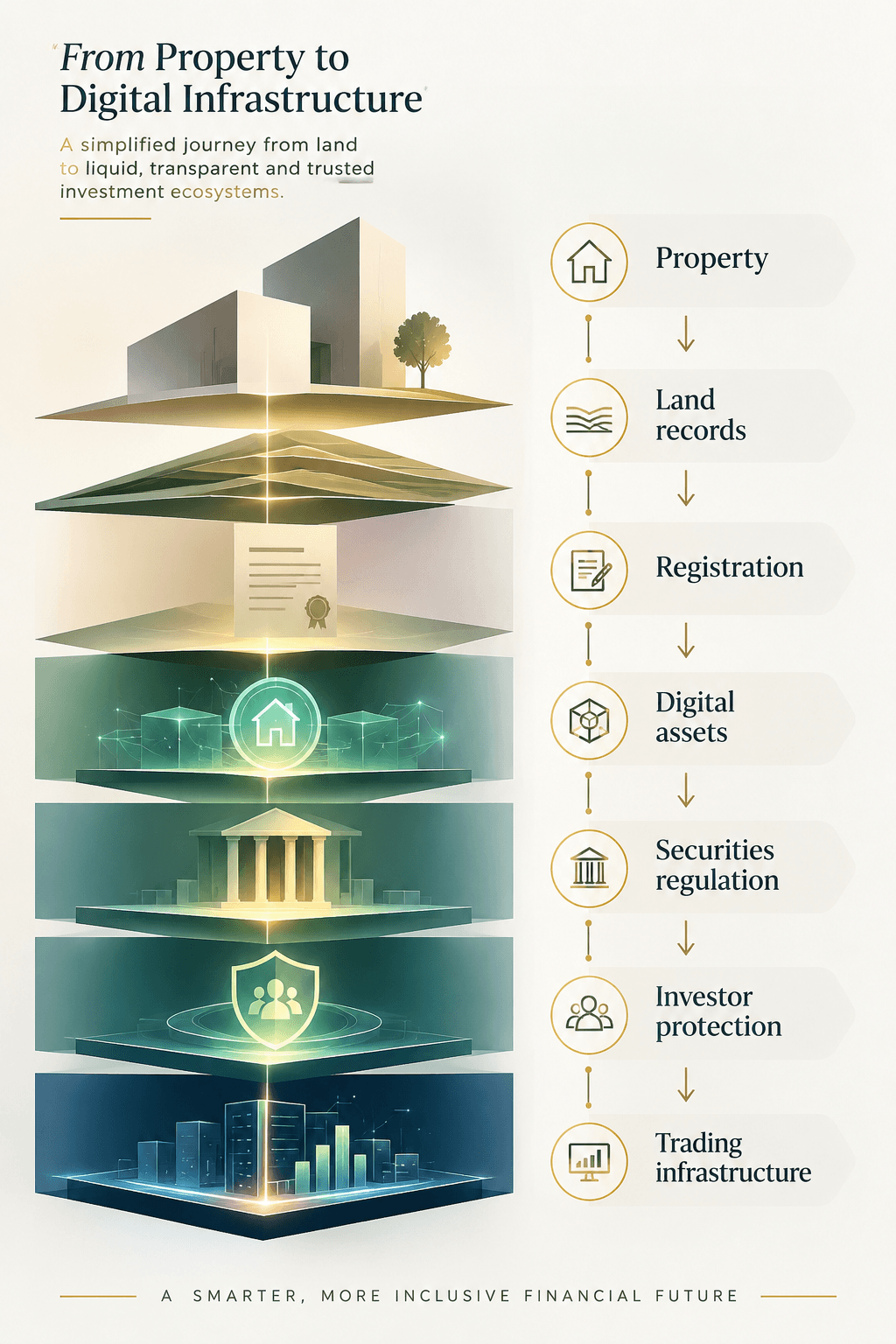
The final DELTA framework will therefore need to clarify how these different regulatory layers interact.
Is DELTA already law?
No.
This is perhaps the most important point to remember when discussing DELTA.
As of August 2026, Maharashtra is working on the proposed legislation and its regulatory framework. The draft has been under discussion and review, but the final legal provisions and implementation structure are still developing.
Therefore, statements such as:
DELTA has already legalized property tokenization in Maharashtra
would be premature.
A more accurate statement is:
Maharashtra is developing a proposed legal framework that could enable regulated blockchain-based tokenization of immovable property.
That distinction matters for investors, businesses and researchers.
Why is DELTA important for India's RWA ecosystem?
The proposed DELTA framework is particularly interesting because it moves the conversation around tokenization beyond cryptocurrencies.
The larger trend is Real World Asset tokenization, commonly referred to as RWA tokenization.
The basic concept is simple:
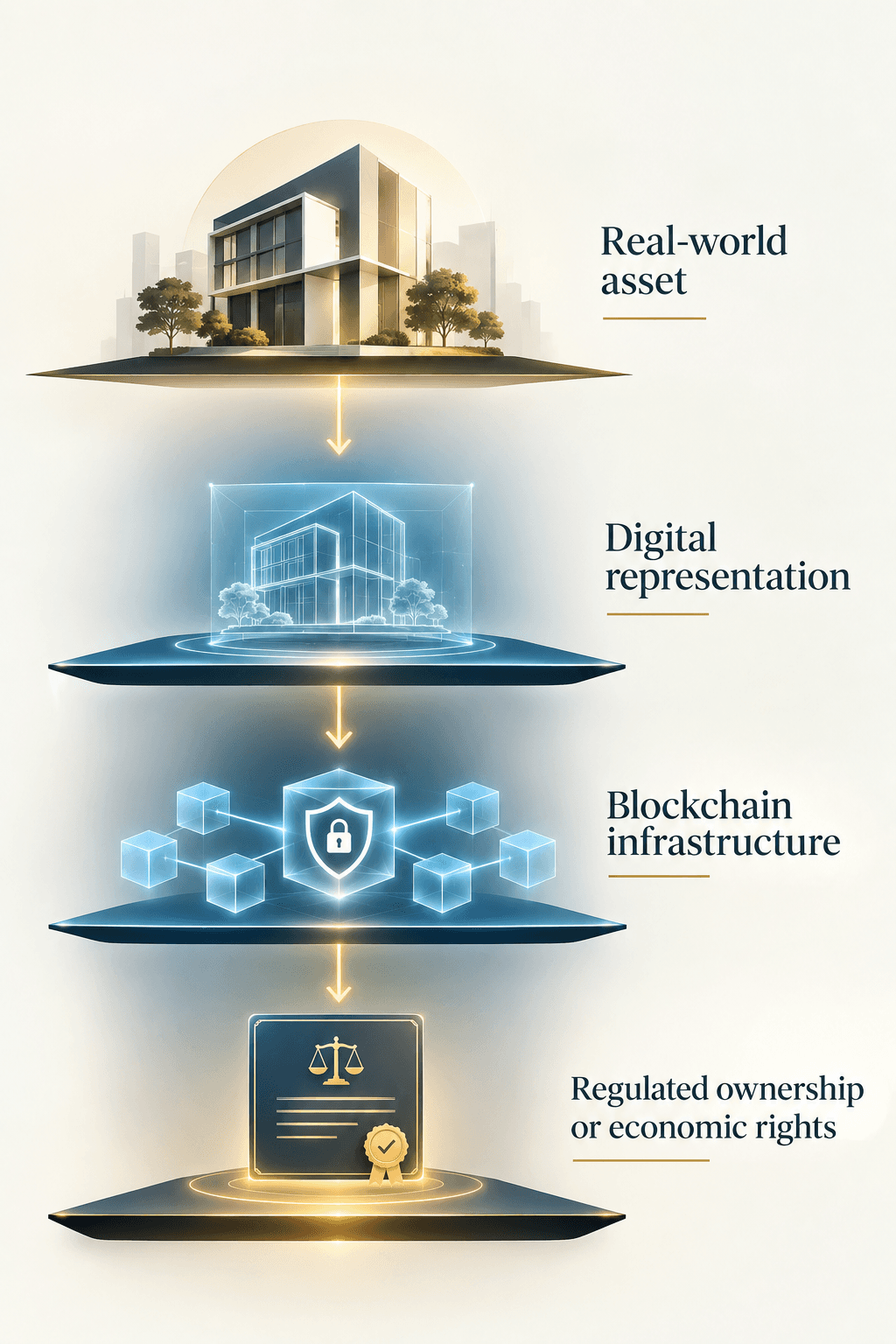
Real estate is one of the most obvious candidates because it represents enormous amounts of economic value but remains relatively illiquid.
If Maharashtra develops a workable legal framework, it could become an important case study for how Indian states approach the relationship between physical assets and digital financial infrastructure.
But tokenization will not solve every problem
It is tempting to view blockchain as a solution to every problem associated with real estate.
It is not.
Several challenges remain.
Legal recognition
The most fundamental question is what legal rights a token provides.
Title quality
Tokenization cannot compensate for defective or disputed property titles.
Regulatory overlap
State-level property laws may need to interact with central financial-market and digital-asset regulations.
Investor protection
If retail investors eventually participate, rules around disclosure, suitability, custody and market conduct become important.
Liquidity
Creating a token does not automatically create buyers.
A tokenized property still needs a functioning market.
Valuation
Real estate valuation is complex. A digital token does not eliminate the need for credible property valuation.
Technology and cybersecurity
Wallets, smart contracts, custody systems and digital infrastructure introduce their own risks.
The success of DELTA will therefore depend not simply on putting property on blockchain, but on creating a legally enforceable, transparent and trusted ecosystem around it.
What could the future look like?
Imagine a future where a property transaction does not begin with a stack of documents sitting in different offices.
Instead, the process could look something like:
→ Verified property
→ Digital title information
→ Eligible property interest
→ Token issuance
→ Regulated marketplace
→ Investor participation
→ Digital transfer
→ Updated ownership record
That would represent a significant change in how real estate is accessed and transacted.
But getting there requires more than blockchain.
It requires coordination between law, land administration, financial regulation, technology, taxation and investor protection.
That is precisely why the proposed DELTA Act deserves attention.
The bigger picture
Maharashtra's DELTA initiative is not simply a blockchain experiment.
At its core, it raises a much bigger question:
Can India's physical property infrastructure evolve into a digitally verifiable and potentially tradable asset ecosystem?
The answer will depend on how the final legislation defines ownership, token rights, issuance, exchange, compliance and investor protection.
For now, DELTA remains a proposed framework. But its significance lies in the direction it represents.
India has spent years digitizing land records.
The next stage could be about making those digital records legally meaningful, interoperable and capable of supporting new forms of economic participation.
If Maharashtra succeeds in building that bridge, the DELTA framework could become more than a state-level experiment.
It could become an important case study for India's emerging real-world asset economy.
The takeaway
DELTA is not simply about putting land on a blockchain.
It is about attempting to build the legal and institutional bridge between physical property and digital assets.
And that bridge may ultimately determine whether real estate tokenization moves from an interesting blockchain concept to a regulated financial and property-market infrastructure.
Note: This article discusses the proposed DELTA framework based on information publicly available as of August 2026. The legislation and its implementing regulations may change before final enactment.
Stay informed with the latest guides and news.


